
How to Track Your Fixed Monthly Expenses (And Finally Know Where Your Money Goes)
You know the rent goes out every month. Same with the electric bill and the phone plan. But do you know the exact total? Most people don't. Fixed expenses are spread across the whole month, so they tend to blend into the background — until you're wondering where your paycheck went.
Getting a clear list of your fixed costs takes a little time upfront. After that, you always know what's already spoken for — and what's actually left over.
TL;DR
- Fixed expenses are recurring costs that come out every month, quarter, or year
- Building a list once gives you ongoing clarity without ongoing effort
- Small forgotten subscriptions can easily add up to $30–$40+ per month
- A budgeting app makes this easier to track without a spreadsheet
Table of Contents
- What are fixed expenses?
- Common fixed expenses for a typical household
- How to build your fixed expense list
- Fixed expenses too high? Here's what to look at
- How to keep your list up to date
- Practical tips
- FAQ
What Are Fixed Expenses?
Fixed expenses are costs that come back every month (or every quarter, or every year) at roughly the same amount. You can't just skip them or push them to next month.
They're different from variable expenses — like groceries or a night out — which change depending on what you do that month. Fixed expenses are predictable. That's exactly what makes them the best place to start when you want to understand your budget.
Common fixed expenses include:
- Rent or mortgage
- Electricity, gas, or heating
- Water bill
- Health insurance
- Internet and phone plan
- Subscriptions (streaming, gym, software)
- Car insurance, renters or homeowners insurance
- Loan or debt repayments
Common Fixed Expenses for a Typical Household
Here's a rough idea of what fixed costs can look like. These are example ranges — your numbers will vary based on where you live and your situation.
| Category | Example monthly cost |
|---|---|
| Rent or mortgage | €700 – €1,200 |
| Electricity + gas | €100 – €180 |
| Water | €15 – €25 |
| Health insurance | €130 – €160 |
| Internet + phone | €50 – €90 |
| Streaming services (2–3) | €20 – €35 |
| Insurance (car, renters, etc.) | €50 – €120 |
| Gym or membership | €20 – €50 |
| Loan repayment | Varies |
Add those up and it's easy to see why fixed expenses can take up more than half of your take-home pay for many households. That's why knowing your total matters.
Want a simple way to check if your breakdown is on track? The 50/30/20 rule is a straightforward guideline: 50% toward fixed costs and essentials, 30% for wants, and 20% toward savings.
How to Build Your Fixed Expense List
You don't need a complicated system. Here's a simple four-step approach.
Step 1: Pull up your bank statements
Look at the last two to three months of transactions. You're looking for amounts that show up repeatedly — on roughly the same date each month.
Look for:
- Automatic payments and direct debits
- Transfers you make every month
- Any annual charges that hit recently
Step 2: Write everything down
For each recurring charge, note:
- What it is (e.g., "Renters Insurance")
- The monthly amount
- When it comes out (beginning, middle, or end of the month)
Step 3: Convert annual costs to monthly
Some costs only hit once a year — like car registration or an annual subscription. Divide the yearly total by 12 so you have a realistic monthly number to work with.
Example: Car insurance at €480 per year = €40 per month to set aside.
Step 4: Add it all up
That total is your monthly fixed expense number. Subtract it from your take-home pay. Whatever's left is your discretionary income — available for groceries, clothing, fun, and savings.
A budget planner can do this math automatically once you enter your numbers.
Fixed Expenses Too High? Here's What to Look At
If your fixed costs are eating most of your income, a few things are worth reviewing.
Subscriptions you barely use
A streaming service at €10/month that you rarely open costs €120 a year. Three of those together: €360 a year. Go through your list and cancel anything you're not actually using.
Your utility providers
Energy and utility rates vary by provider. The Consumer Financial Protection Bureau (CFPB) has resources on managing household bills. If your contract is close to renewal, that's a good moment to check whether switching saves you money.
Your insurance coverage
Are you paying for coverage you no longer need — or paying more than you should for what you get? Reviewing your policies once a year is worth the 20 minutes it takes. Consumer Reports can help you compare options.
Benefits and assistance programs
Depending on your situation, you may qualify for utility assistance, housing support, or other programs that reduce your effective fixed costs. Check what's available in your state through official government resources.
How to Keep Your List Up to Date
Making the list is step one. Keeping it current is step two.
A few simple approaches that work:
Set a single billing date Try to schedule as many fixed payments as possible for right after your paycheck arrives. You'll see exactly what's gone out — and what's left — in one quick glance.
Use a separate account for fixed costs Some people keep a dedicated account just for fixed expenses. A set amount goes in each month, and that's the only account bills draw from. No risk of accidentally spending that money on something else.
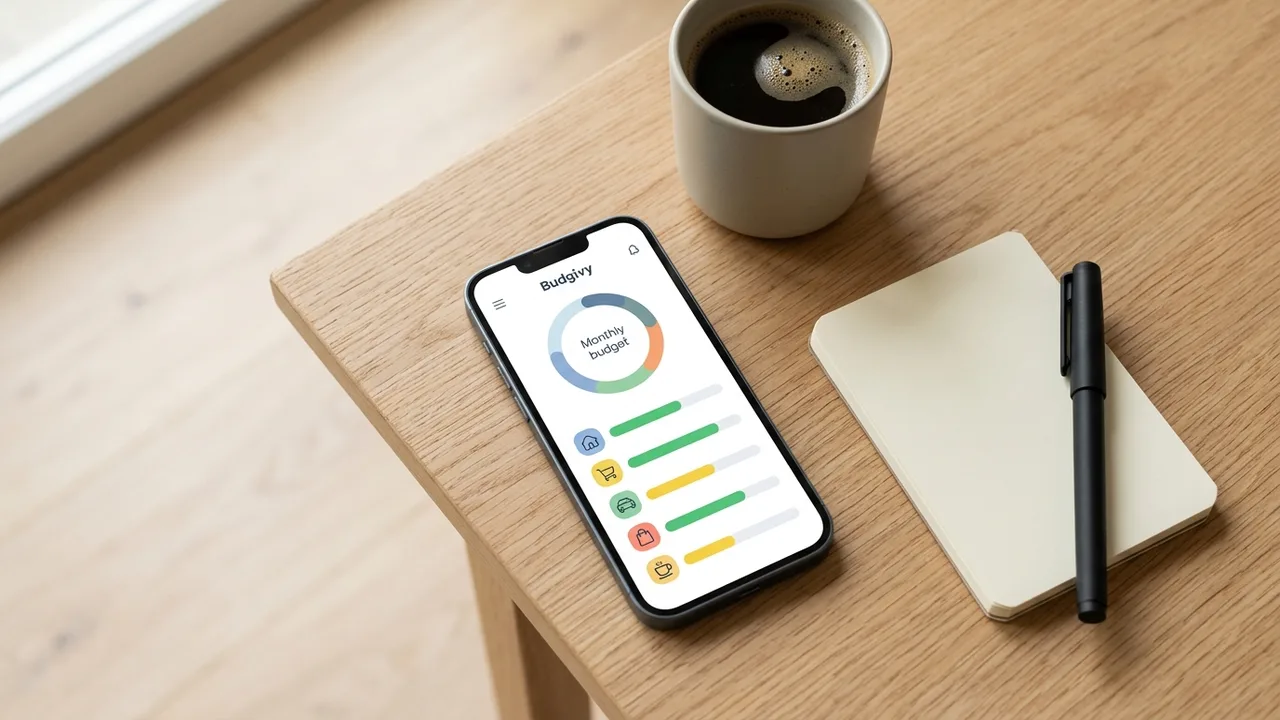
Use a budgeting app With an app like Budgivy, you can see your monthly budget and fixed expenses in one clear view. Add transactions on the go with Quick Add — no spreadsheet, no catching up later.
Budgeting with a partner? Budgivy has a secure sharing feature so you both see the same picture without either person losing visibility. It also works well if you're collaborating with a financial counselor or coach.
Want a fuller picture of your whole household? The household budget overview covers both fixed and variable costs together.
Practical Tips
1. Start with three months of bank statements That's enough to see what's actually recurring versus what was a one-time charge.
2. Don't forget annual costs Divide them by 12 and include them in your monthly total. Otherwise, you'll get caught off guard every year.
3. Set a quarterly subscription reminder A 10-minute review every few months can easily save €30–€50. Put it in your calendar now.
4. List small subscriptions separately Small charges are easy to miss. A dedicated list makes sure they don't slip through.
5. Look at the total, not just the individual cost A €7.99 subscription sounds cheap. Five of them is almost €40 a month. Always check the combined number.
Ready to Get Started?
Want a clear, simple view of your fixed expenses and full monthly budget? Start for free at budgivy.app. No spreadsheet required. Just a straightforward picture of what comes in, what goes out, and what's left.
FAQ
What are fixed expenses? Fixed expenses are recurring costs you pay every month, quarter, or year — things like rent, utilities, insurance, internet, and subscriptions. They stay roughly the same and can't easily be skipped.
How much of my income should go toward fixed expenses? The 50/30/20 rule suggests spending no more than 50% of your take-home pay on fixed expenses and essentials. It's a guideline, not a hard rule — but it gives you a useful starting point.
How do I quickly list all my fixed expenses? Go through two to three months of bank statements and write down every recurring charge — what it is, how often it hits, and how much. Add them up. That total is your monthly fixed expense baseline.
Can I actually lower my fixed expenses? Often, yes. Compare utility providers, cancel subscriptions you barely use, and review your insurance once a year. Small changes add up to real savings over time.
What's the difference between fixed and variable expenses? Fixed expenses are the same (or close to it) every month — like rent or a phone plan. Variable expenses change month to month — like groceries, gas, or dining out.
Does a budgeting app help with fixed expenses? Yes. With an app like Budgivy, you can see all your fixed costs in one clear view — no spreadsheet required. It also works well if you're budgeting with a partner or working alongside a financial counselor.
Create your first budget for free — no hassle, no spreadsheet.